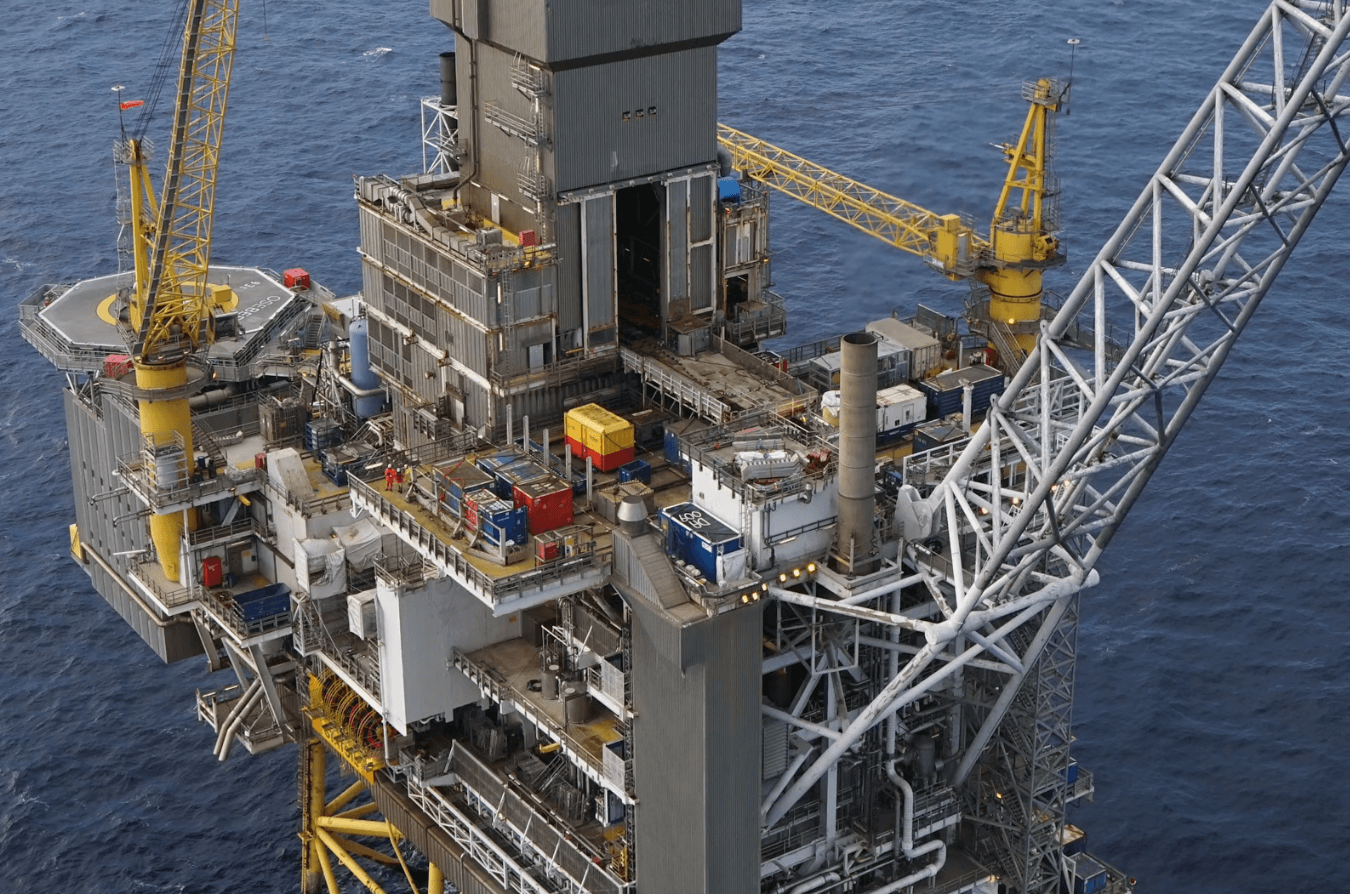
According to Wood Mackenzie, Phase One will ramp up to its plateau of 350 million cubic feet per day (mmcfd) (3.7 billion cubic meters a year) from ten wells, five of which will produce from the start. This will increase Turkey’s national gas output nearly tenfold by the end of the year. But a full Sakarya development, to produce 1.4 billion cubic feet per day (14.6 bcm a year) and more, is already in the spotlight.
Sherman said, “Sakarya Phase One is a major project delivery success for TPAO. It comes online less than three years since discovery in August 2020. Its fast-tracked lead time almost rivals Eni’s near-peerless Zohr in Egypt. TPAO never deviated from its 2023 start-up guidance, defying some initial scepticism.
“The political will to develop Sakarya quickly has been immense, especially with presidential elections looming. This project delivery success has been particularly impressive given TPAO’s lack of prior deepwater operating experience and the Black Sea’s logistical constraints.”
Sherman added that since 2020, the scale of Sakarya’s resource base has bolstered Turkey’s negotiating power with its gas import suppliers. Further contracts, including with Russia and Iran, are up for renewal by the late 2020s. Turkey could secure more favourable terms in extensions, but continued development success at Sakarya will be fundamental to its decision-making process.
“Turkey’s deepwater Black Sea gas resources are of huge political and strategic importance. Sakarya is commercially attractive too – thanks to the country's competitive gas pricing and fiscal terms. Nevertheless, risks abound in the Black Sea since Russia’s full-scale invasion of Ukraine in 2022. Although upstream milestones also await in Romanian and Bulgarian waters, the path to gas commercialisation could be far less smooth outside of Turkey,” said Sherman.