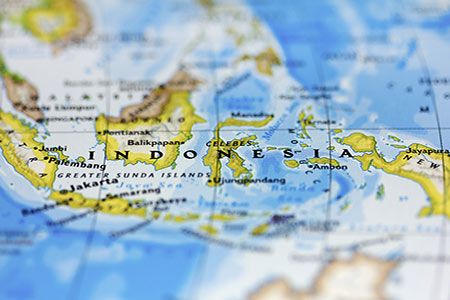
Tambak 2 Well spudded
The Tambak-2 well is primarily designed as an appraisal of the southern area of the Mako gas field in the West Natuna Basin, offshore Indonesia.

Stay up to date with the latest news and updates from the oil industry.
The Tambak-2 well is primarily designed as an appraisal of the southern area of the Mako gas field in the West Natuna Basin, offshore Indonesia.
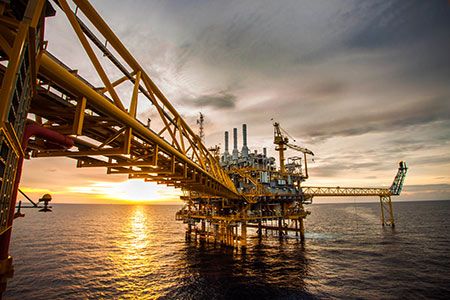
To be competitive in today's oil and gas industry is first and foremost about upgrading the user experience and not by producing new rigs, says Andreas Grydeland Sulejewski, Neptune Software.

The company has won a contract with AS Norske Shell in Norway to provide rig support for the drilling and completion of a gas producer well on the Knarr field.
Rob Gill, Aquaterra Energy, asks why the industry is reluctant to adopt conductor-supported platforms for shallow water field developments.

Entries are being sought for the best subsea company of the year award, which is sponsored by the Oil & Gas Authority, and the young emerging talent award, which is sponsored by SMD.
According to Rystad Energy, BP has seen the most resource growth from mergers and acquisitions (M&A) across all supply segments, adding nearly 6.5 billion boe. Conversely, Shell has shed almost 11 billion boe since 2015 (excluding the effect of Shell’s 2015 acquisition of BG Group).

The company is exploring the potential to co-operate with an unnamed international oil company in respect of its blocks in Namibia.
Under the terms of a deal with Petrobras, Weatherford will deliver 24 Optimax™ deep-set safety valves in the next four years.
Delivery of the first three rigs to the drilling division of INK-Service Group is scheduled for 2020, with delivery of the remaining rigs the year after.
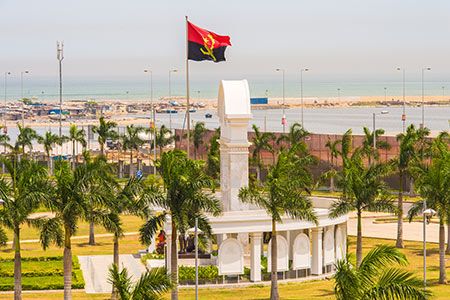
The enhanced imaging volumes from the Greater Plutonio development in the Lower Congo Basin were delivered four weeks early for the project.

Start-up of the Valhall West Flank facility in the North Sea will take place this autumn.
A report by IHS Markit attributes the decline in conventional discoveries to low oil prices, competition from short cycle-time unconventional projects, and financial investors questioning long-term, high-cost, frontier projects.