
The COVID-crisis
Stephen B. Harrison, Nexant Energy & Chemicals Advisory, Germany, considers the COVID-crash’s potential implications for the Asia Pacific region.

Browse the latest special reports news and articles.
Stephen B. Harrison, Nexant Energy & Chemicals Advisory, Germany, considers the COVID-crash’s potential implications for the Asia Pacific region.
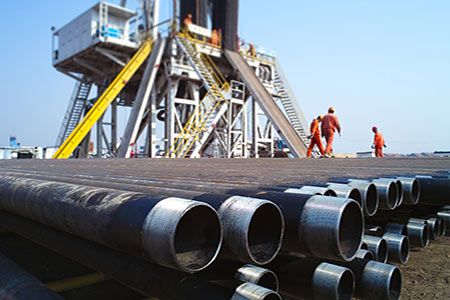
Global discoveries of conventional resource volumes reached just 4.9 billion boe in the first half of 2020, Rystad Energy estimates – the weakest-performing first half of the 21st century.
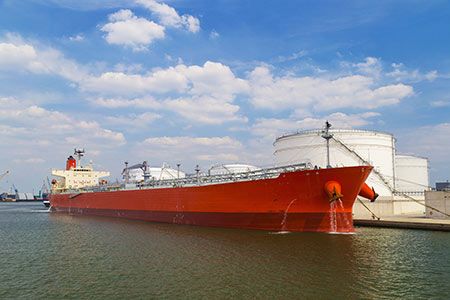
Oil prices rose this morning, reversing earlier losses, as a crude stockpile relief in the US, still inspires market confidence.

Oil prices rose this morning on indications that crude inventories in the US fell by more than 8 million bpd last week.

Rystad Energy estimates Iraq’s actual ability to cut more barrels is limited to between 300 000 and 500 000 bpd.

Oil prices declined this morning as traders continue to keep them in manageable levels, on anticipation of more bullish news and with a wary eye on how Covid-19 evolves.

Oil prices declined this morning, as traders priced in the continuous rise of Covid-19 infections and the consequences that may follow as a result.
Are you ready to be part of an innovative future for energy policy? The University of Sussex’s Energy Policy MSc (online) is an interdisciplinary course which incorporates ideas from economics, political science and innovation studies.
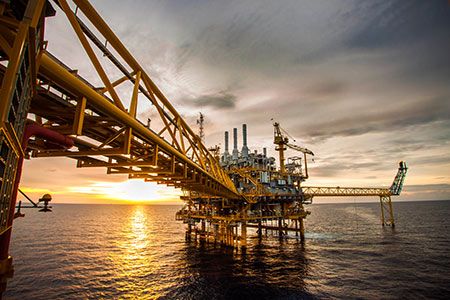
The temporary tax relief package for the petroleum industry that Norway recently approved could improve exploration and production companies’ short-term liquidity and reduce breakeven prices for future development projects by about 40% on average.
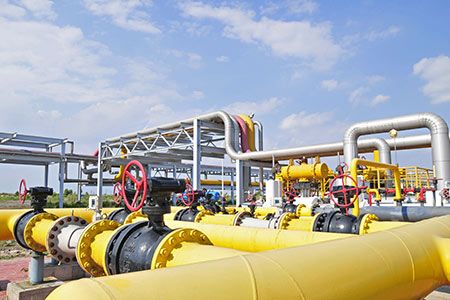
Oil prices gained this morning, as traders ignored new Covid-19 spikes, partly correcting losses of previous sessions.
Oil prices fell further this morning, as traders priced in the latest bits of concern about stock builds and the Covid-19 infections surge.
ADIPEC’s webinar discussed the need for oil and gas operators to work more closely with suppliers to mitigate the financial impact of oil price collapse, stabilise supply chains and build long-term resilience.