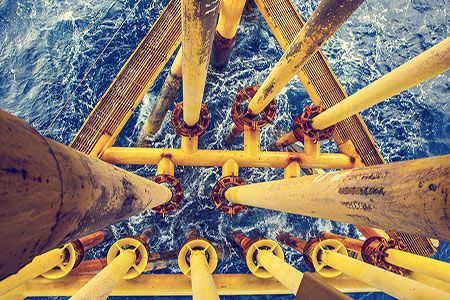
Natural gas production begins at Leviathan field
The Leviathan field was discovered in 2010, and the initial development phase was sanctioned in 2017.

Browse the latest offshore news news and articles.
The Leviathan field was discovered in 2010, and the initial development phase was sanctioned in 2017.

Marine services company Malin Group has appointed oil and gas expert Alan Hunter in a new business development role.
EM&I has used its NoMan remote camera technology for inspections of difficult to access to areas, including on an FPSO in New Zealand.
From Malaysia and Singapore to new frontiers like Myanmar, firms are looking for ways to reach first gas efficiently and cost-effectively in the face of significant challenges. Stewart Maxwell, Aquaterra Energy, looks at the fundamental issues facing these potential operators, and asks whether new ways of thinking about offshore platform design can increase the number of viable projects in the region.
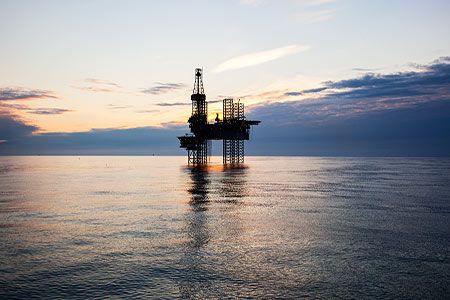
N-Sea has reported an increase in sales with contract wins with new clients.

The €5 million fixed rate 5-year bond offer was fully subscribed as the offering attracted strong demand from the investors.

The country's Ministry of Mines and Hydrocarbons is expecting direct investment of a minimum of US$1.4 billion; a firm US$1.2 billion and a contingent forecast of US$273 million predicted for 2020, associated with the drilling of two wells and the continuous development of six existing wells.
The study will cover an area of approximately 80 000 km2 of the offshore Niger Delta and will incorporate around 150 cores from the seabed.
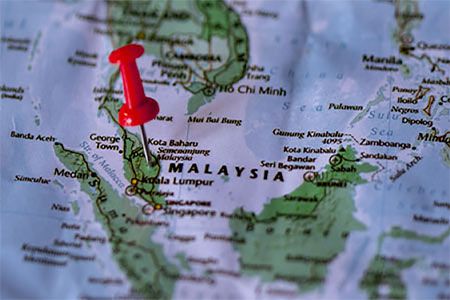
The production of oil from Layang is estimated at approximately 3000 bpd, and an estimated 10 000 boe/d with natural gas combined.
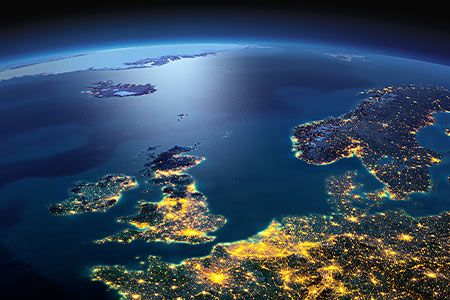
The award contains the HPHT North Eigg and South Eigg prospects. The primary prospect is North Eigg which is estimated to contain 360 billion ft3 (P50) and potentially over 1 trillion ft3 (P10) of recoverable gas.

The study, known as a SeepHunter campaign, includes the results of 342 conventional cores and 29 jumbo piston cores and heat probes.
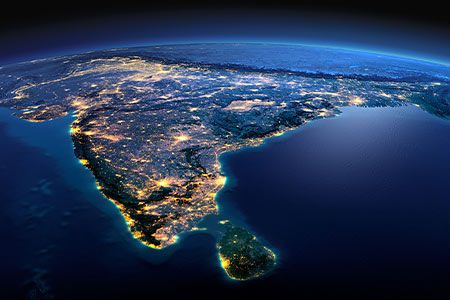
The survey covers 1600 km2 of 3D and 800 km of 2D data in a deepwater area of the Bay of Bengal.