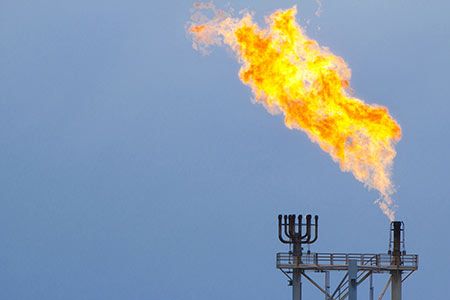
OGUK sets out plan to tackle methane emissions
OGUK's Methane Action Plan for the North Sea includes targets to reduce methane emissions by 50% compared to 2018, committing to 0.20% methane intensity by 2025 and stopping all routine flaring by 2030.

Browse the latest hse news and articles.
OGUK's Methane Action Plan for the North Sea includes targets to reduce methane emissions by 50% compared to 2018, committing to 0.20% methane intensity by 2025 and stopping all routine flaring by 2030.
Last year, the Centre transitioned its seven existing solution centres into one Net Zero Solution Centre, with three core programmes, focused on reducing emissions, developing integrated energy systems and unlocking a digitised offshore energy sector.
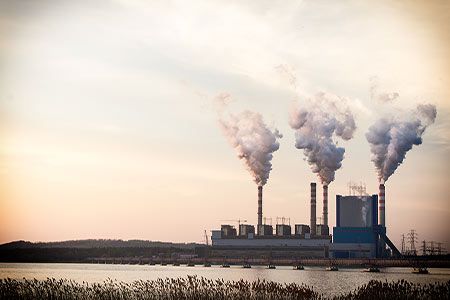
The template aims to provide a consistent and uniform set of core greenhouse gas indicators to enable greater comparability in climate-related reporting.
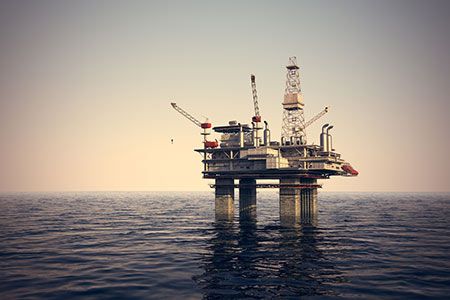
4Subsea will monitor and analyse wellhead integrity to ensure safe operations for the Balder Future drilling and completion operations.
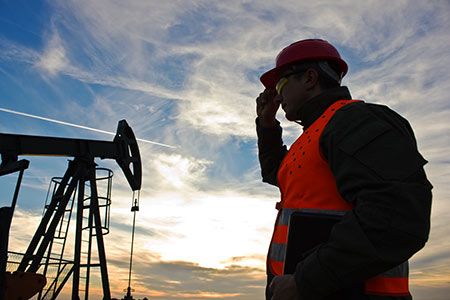
As part of its decarbonisation strategy, the company will use a Transition Technologies portfolio to address fugitive emissions, flaring reduction, electrification, well construction emissions, and full field development solutions.

EM&I has been recognised for its development of diverless, robotic and digital asset integrity technologies that are safer, faster, more economic and greener than traditional technologies using divers and rope access teams.
The acquisition will enable Proserv to target greater service activity within gas and petroleum processing plants, so extending its current predominant focus on upstream support, both on and offshore, into midstream and downstream areas.
The JIP will support regulatory authorities and industry to establish new standards and practices for the use of online oil-in-water analysers at remote locations.
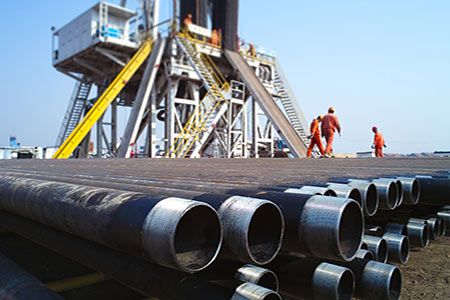
The agreement will support Rosneft’s commitment to reduce upstream emission intensity by 30% by 2035.
The units provided from Cubility will be deployed for onshore operations with Sinopec and China National Petroleum Corp.

Shell currently has a target to reduce the carbon intensity of its products by at least 6% by 2023, by 20% by 2030, by 45% by 2035 and by 100% by 2050 compared with 2016 levels.
The API has said that any pathway to net-zero emissions by 2050 "must include continued innovation and use of natural gas and oil, which remains crucial to displacing coal in developing nations and enabling renewable energy."